
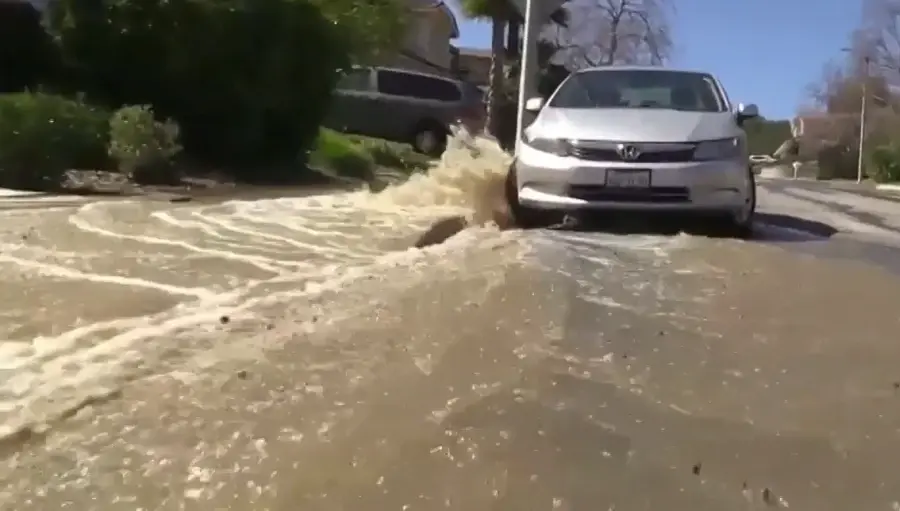
ROOT CAUSE GUIDE
Why Do Pipes Burst So Often in Pomona Homes?
In Pomona, pipes almost never burst from freezing. The real causes are harder to see but easier to prevent once you understand them. Here is what is actually behind most failures in this area.
Why pipes burst in Pomona usually comes down to aging galvanized or copper lines, pressure spikes and corrosion rather than freezing. Knowing why pipes burst helps you spot early signs such as discolored water, falling pressure, damp spots and a rising water bill. Checking your pipe material once a year is a small habit that can prevent a large repair. The EPA leak guidance covers simple home checks.
Ask someone what causes pipes to burst and they will usually say cold weather and frozen pipes. That is true for much of the country — but not here. Pomona almost never sees temperatures cold enough to freeze a supply line. The causes in this area are different, less obvious, and more closely tied to the age of the housing stock and the local geology.
Understanding why your pipe failed — or why your neighbor’s did — helps you decide whether a single repair is enough or whether the pipe system needs broader attention.
Why Do Pipes Burst in Pomona Homes?
Each of these causes is real and measurable. They often work together — a galvanized pipe already narrowed by scale is far more vulnerable to pressure spikes than a clean copper line.
| Cause | How It Damages Pipe | Most Common In |
|---|---|---|
| Aging galvanized steel | Corrodes internally, wall thins until pressure causes failure | Homes built before 1975 |
| Hard water mineral scale | Buildup narrows the pipe bore and accelerates corrosion | Entire San Gabriel Valley |
| Soil movement / seismic stress | Repeated small shifts stress underground and slab joints | Foothills and older slab foundations |
| Water pressure spikes | Hammers weak joints on every tap closure | Any home with aging fittings |
| Polybutylene pipe | Material degrades from chlorine in municipal water over time | Homes built 1978–1995 |
| Improper repair or installation | Incompatible fittings or incorrect pipe support causes stress | Any DIY or unlicensed work |
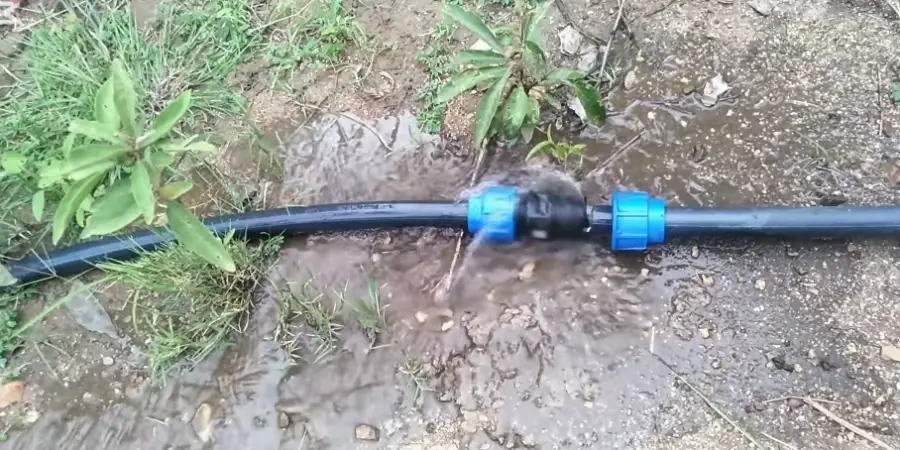
How Pomona’s Local Conditions Make This Worse
Three local factors in the San Gabriel Valley specifically accelerate pipe failures compared to other parts of California.
💧 Among the hardest water in LA County
Pomona’s water supply comes largely from groundwater sources with naturally high calcium and magnesium content. The scale this deposits inside pipes over decades is significant — it narrows the bore, reduces flow, and creates a rough inner surface where corrosion accelerates.
🌎 Expansive clay soils and seismic activity
The soils in much of Pomona and the western foothills contain clay that expands when wet and contracts when dry. This seasonal movement — combined with small but frequent seismic events along nearby fault lines — stresses underground and slab-embedded pipe joints continuously over decades.
🏚️ Pre-1975 housing stock
A significant portion of Pomona’s residential housing was built between the 1940s and 1970s. Many of these homes still have their original galvanized steel supply lines — now 50 to 80 years old and well past the material’s expected lifespan of 40 to 70 years.
🌡️ Temperature variation
While Pomona rarely freezes, it sees significant summer heat that increases pressure in copper and CPVC lines. Hot days followed by cooler nights cause repeated thermal expansion and contraction that stresses fittings and joints over years.
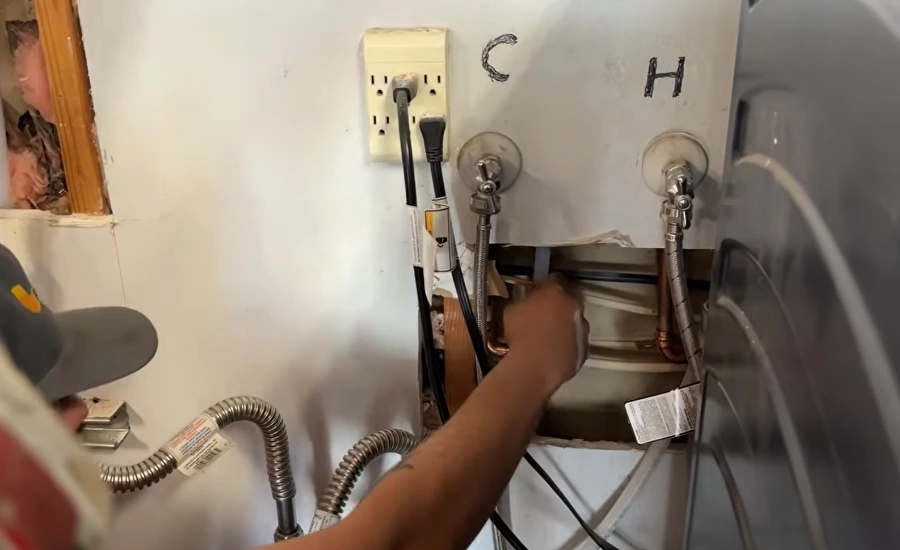
Is Your Home at Higher Risk?
Not every home in Pomona faces the same risk. Check how many of these apply to yours.
🏠
Built before 1980?
High likelihood of original galvanized or early copper supply lines. If the plumbing has never been updated, an inspection is worth scheduling before a failure forces the issue.
🚰
Rust-tinted water?
Brown or reddish water that does not clear up quickly means galvanized pipe is corroding internally and depositing iron into your water supply. The pipe wall is thinning.
🔊
Banging sounds when taps close?
Water hammer means your pipes are experiencing pressure spikes. On aging fittings, these jolts accumulate over time and eventually cause a failure at the weakest joint.
📉
Pressure dropping gradually?
Slow pressure loss across all fixtures typically means mineral scale buildup is narrowing the pipe bore — a sign the system is aging toward failure. Also see our slab leak guide if it happened suddenly.
Why Pipes Burst: Common Questions
What Happens When None of These Apply and a Pipe Still Bursts?
Sometimes a pipe fails in a relatively new home with good water quality and no unusual pressure conditions. In those cases, the cause is often an installation defect — a fitting that was not torqued correctly, a pipe that was kinked during installation, or an incompatible material combination that creates a galvanic corrosion point at the joint. These are less common but worth knowing about if your home is newer and has had multiple failures.
Understanding the root cause also matters for the insurance claim — a sudden and accidental failure is typically covered, while a known defect that was never addressed may face a challenge. See our California insurance claims guide for how to document your situation correctly.
Know what caused it. Fix it right.
Understanding why your pipe failed is how you decide whether a spot repair is enough or the system needs broader work. We assess before we quote.
Call (840) 226-2371 — 24/7