
CLAREMONT, CA
Burst Pipe Repair in Claremont, CA
Claremont’s older neighborhoods carry a specific plumbing risk — decades of galvanized steel supply lines, hard San Gabriel Valley water, and homes that predate modern pipe materials. We know what to look for here, and we respond 24/7.
Burst pipe repair Claremont starts with stopping the water. Close the main shutoff, open a low faucet to relieve pressure and photograph the damage before any cleanup. Claremont’s older homes often still have decades-old galvanized lines, so ask whether the failed section is isolated or part of a worn run. Ask for a written estimate that covers both the pipe and the drying, because wet drywall left in place can grow mold within days. Keep this checklist handy for any burst pipe repair Claremont call, and see the EPA guidance on fixing household leaks for why small leaks should never wait.
Why Claremont Homes Have a Higher Burst Pipe Risk
Claremont is one of the San Gabriel Valley’s most architecturally distinctive cities — and one of its most plumbing-vulnerable. The neighborhoods surrounding The Village and the Claremont Colleges contain a significant concentration of homes built between the 1920s and the 1960s. Most of those homes were constructed with galvanized steel supply lines that have now been in service for 60 to 100 years.
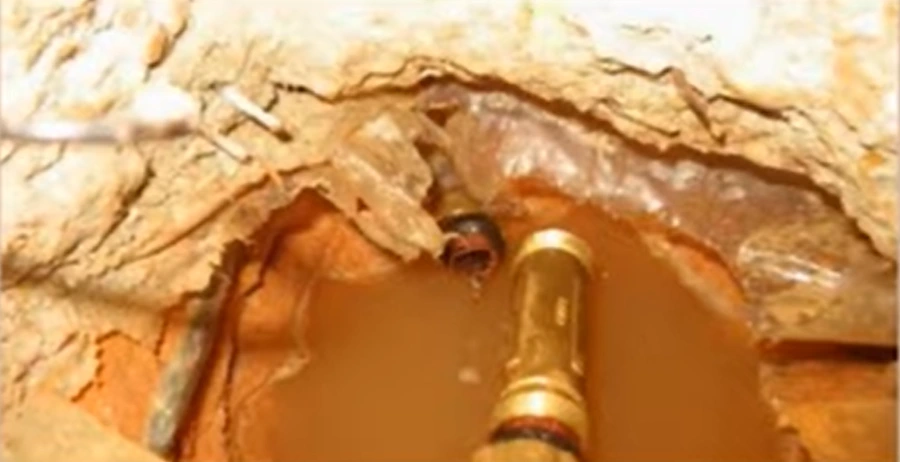
Galvanized pipe corrodes from the inside out. As decades pass, mineral deposits from Claremont’s hard water compound the corrosion, narrowing the pipe bore until pressure breaks through the wall. The failure often looks sudden — but the pipe has been failing internally for years. Homeowners in Claremont’s older neighborhoods on streets like Berkeley Avenue, Harvard Avenue, and the blocks surrounding Padua Avenue should consider having their supply lines inspected if they have not done so.
East Claremont, including the foothills neighborhoods along Baseline Road, adds a second variable: soil movement. The foothills geology includes clay-heavy soils that expand and contract with seasonal moisture changes, stressing underground and slab-embedded pipe joints. The combination of old pipe material and active soil movement is why we see slab leaks in this part of Claremont with some regularity.
What Makes Claremont Different From Pomona or La Verne
Every San Gabriel Valley city has its own plumbing profile based on when most of its housing was built. Claremont’s situation is specific.
| Factor | Claremont Specifics | Risk Level |
|---|---|---|
| Pre-1960 housing concentration | Very high — especially near The Village and Colleges | High |
| Galvanized steel pipe prevalence | High in older neighborhoods — many never repiped | High |
| Hard water mineral scale | Same as all of San Gabriel Valley — accelerates corrosion | Moderate |
| Foothills soil movement | Significant in east Claremont above Baseline | Moderate |
| Slab leak frequency | Higher than average in pre-1970 slab-on-grade homes | High |
🏠 Claremont Colleges area: Student rentals and older duplexes on streets adjacent to the colleges are frequently among the oldest properties in the city. Many were built in the 1940s–1950s and have had minimal plumbing updates. Landlords in this area should factor in pipe inspection as part of annual property maintenance.
What to Do When a Pipe Bursts in Your Claremont Home
The first few minutes determine how bad the damage gets. Here is the right order of actions.
Shut the main water valve
In most Claremont homes built before 1970, the main shutoff is near the front of the house — often in the garage, inside a utility box at the front wall, or at the street-level meter box. Turn clockwise until it stops.
Document before touching anything
Photograph and video every affected area before any cleanup. If you are renting, do this doubly carefully — California landlord law requires prompt repair, and documentation protects both tenant and property owner.
Call us — we cover Claremont 24/7
Call (840) 226-2371 for immediate dispatch. We handle the pipe repair and water damage cleanup in one visit — no coordinating two separate companies.
Our process
How We Work Inside Claremont’s Older Homes
Many homes near The Village and the Colleges predate 1960 and still carry original galvanized lines, so we aim to repair the failure while opening as little of the house as possible.
- 1
Identify the pipe before touching it
We establish whether the failed line is galvanized, copper or a mix, and how much hard water scale it carries. The material and its condition decide whether a section repair will hold.
- 2
Protect the house, then open it carefully
Floors are covered and furniture and cabinets moved clear of the wet area. Access openings are cut only where moisture readings or leak detection show water, since older plaster and trim are costly to match.
- 3
Repair, then give you the honest picture
The failed section is replaced and tested. If the neighboring pipe is badly corroded, we tell you directly whether more repairs are likely and what repiping would involve.
- 4
Extract, dry and put it on record
Water is extracted first, then drying equipment goes where the readings call for it. We keep the readings and photos together so your insurer sees the whole picture.
Deciding between a patch and a new line? Compare the options in our guide to pipe repair versus repiping.
Burst Pipe Repair Cost in Claremont
Costs in Claremont are similar to the broader San Gabriel Valley, with one important variable: homes with original galvanized systems often have higher total repair costs because the surrounding pipe condition means a longer section needs replacing, not just the failed point.
| Job Type | Typical Range | Claremont Context |
|---|---|---|
| Single pipe section repair | $150 – $800 | Copper or PEX systems in newer homes |
| Galvanized section replacement | $500 – $1,800 | Common in pre-1965 Claremont homes |
| Slab leak detection and repair | $1,000 – $3,500 | Elevated frequency in east Claremont foothills |
| Water extraction and structural drying | $800 – $3,000 | Cost rises with time before discovery |
| Galvanized repipe (whole home) | $5,000 – $14,000 | Often the smarter long-term call on older Claremont properties |
Burst Pipe Repair Claremont: Common Questions
Do you serve Claremont, CA for burst pipe emergencies?
How do I know if my Claremont home still has galvanized pipes?
Is a slab leak covered by homeowners insurance in California?
How quickly can you reach Claremont from Pomona?
Should I repair the section or repipe the whole house?
What to Expect During the Repair
For a standard galvanized pipe failure in a Claremont home, a plumber will open the wall at the failure point, assess the surrounding pipe condition, and replace the failed section — and ideally a buffer of pipe on either side if the surrounding galvanized shows significant corrosion or thinning. The total job typically takes one to four hours for the pipe repair itself, followed by two to five days of drying if water reached the wall cavity.
For slab leaks — which are more common in east Claremont foothills properties — acoustic detection takes two to four hours. We provide a complete plan and pricing before any concrete is removed. If you are unsure whether your situation is a supply line failure or a slab leak, that distinction becomes clear during the initial assessment. See our slab leak guide for a full breakdown of what detection and repair involves.
Burst pipe in Claremont? We respond 24/7.
Pipe repair and water damage cleanup in one job. Real price before we start. We know the older homes here.
Call (840) 226-2371 Now