
LA VERNE, CA
Burst Pipe Repair in La Verne, CA
La Verne’s post-war flatland neighborhoods sit on a specific combination of aging pipe systems and the San Gabriel Valley’s hard water — a pairing that produces pipe failures at predictable intervals. We cover all of La Verne 24 hours a day, seven days a week.
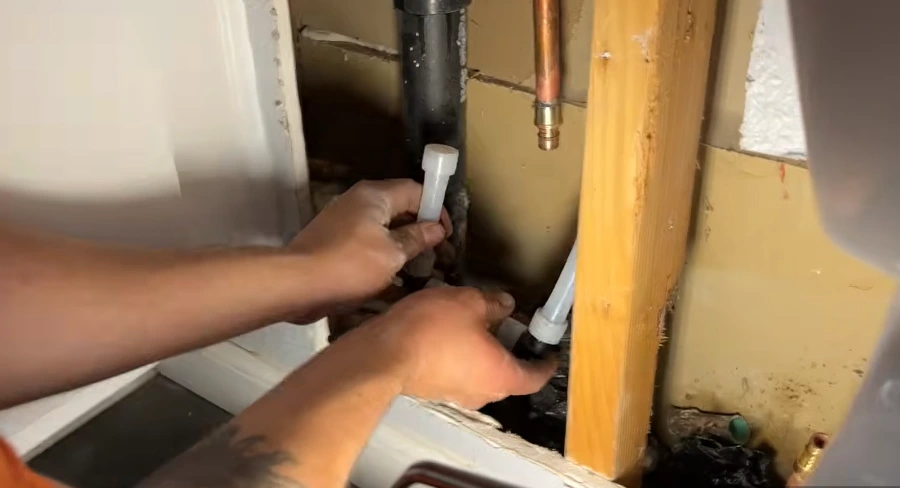
Burst pipe repair La Verne starts with stopping the water. Close the main shutoff, open a low faucet to relieve pressure and photograph the damage before any cleanup. Many La Verne homes date from before the late 1960s, so it is worth asking whether the rest of the supply line should be inspected while the wall is open. Ask for a written estimate that covers both the pipe and the drying, because wet drywall left in place can grow mold within days. Keep this checklist handy for any burst pipe repair La Verne call, and see the EPA guidance on fixing household leaks for why small leaks should never wait.
La Verne’s Plumbing Situation: What You Need to Know
La Verne developed rapidly after World War II, with the majority of its residential housing stock built between the late 1940s and the 1970s. That wave of construction used the standard pipe material of the era — galvanized steel — and much of it was never replaced. Those pipes are now 50 to 75 years old, well past the material’s expected lifespan.
The flatland neighborhoods along Bonita Avenue and the blocks east and west of Downtown La Verne represent the highest concentration of these older systems. North La Verne, which was developed later along the foothills north of Foothill Boulevard, has a different profile — younger housing, more copper, a lower rate of galvanized failure but a higher rate of slab leak due to the foothills soil movement.
The San Gabriel Valley’s hard water accelerates the problem everywhere. High calcium and magnesium content in the local water supply coats the inside of galvanized pipe with mineral scale over time. This narrows the bore, reduces flow pressure, and creates the rough inner surface where corrosion advances fastest. A galvanized pipe in La Verne with hard water exposure for 60 years is often far more degraded internally than it appears from the outside.
Flatland vs. Foothills: Different Risks in La Verne
📍 Flatland La Verne (south of Foothill)
Post-war tract homes, predominantly 1948–1970 construction. Most common failure: galvanized supply line corrosion at fittings and at horizontal runs where scale accumulates. Homes on Bonita Avenue, Wheeler Avenue, and the surrounding grid streets fall into this category.
🏔️ Foothills La Verne (north of Foothill)
Mostly 1970s–1990s construction with copper or early CPVC supply lines. Less galvanized corrosion — but elevated slab leak frequency due to clay soil expansion and contraction in the foothills geology. Pipe failures here tend to be quieter and harder to detect before damage accumulates.
🏘️ Rental properties near University of La Verne
The area surrounding the university contains a mix of older single-family homes converted to rentals and small multi-unit buildings. These properties often have the oldest plumbing and the least maintenance history. Landlords in this area face California’s habitability laws requiring prompt repair.
📐 Slab-on-grade foundations
A large portion of La Verne’s older housing used slab-on-grade construction. Supply lines embedded in the slab cannot be inspected visually — they are only discovered when they fail. The first sign is often a water bill that jumps unexpectedly or a warm spot on the floor.
Warning Signs Specific to La Verne Homes
Before a pipe fully bursts, it gives warnings. In La Verne’s older housing, these patterns are worth taking seriously.
Rust-tinted water
Brown or reddish water that takes a while to clear means galvanized pipe is corroding internally. The pipe wall is thinning.
Falling water pressure
Slow pressure loss across multiple fixtures — not just one — typically means mineral scale is narrowing the pipe bore throughout the system.
Unexplained water bill jump
A bill that climbs $50–$150 with no change in usage often means a slab leak. The water is going somewhere underground before it reaches any fixture.
Our process
What Happens After You Call Us in La Verne
Owner or renter, in a post-war tract home or a foothill house, the order is the same: stop the water, find the cause, repair it, and dry what got wet.
- 1
A short call to get oriented
We ask for your street, roughly when the house was built, which room is wet and whether water is still running. If you rent, say so, because the notes and photos we take are also what your landlord will need for a claim.
- 2
Shut off and find the cause
In the older flatland homes we look first at galvanized fittings and horizontal runs where scale collects. In foothill homes with slab-on-grade lines, we check for a leak under the floor before opening anything.
- 3
Repair and test the line
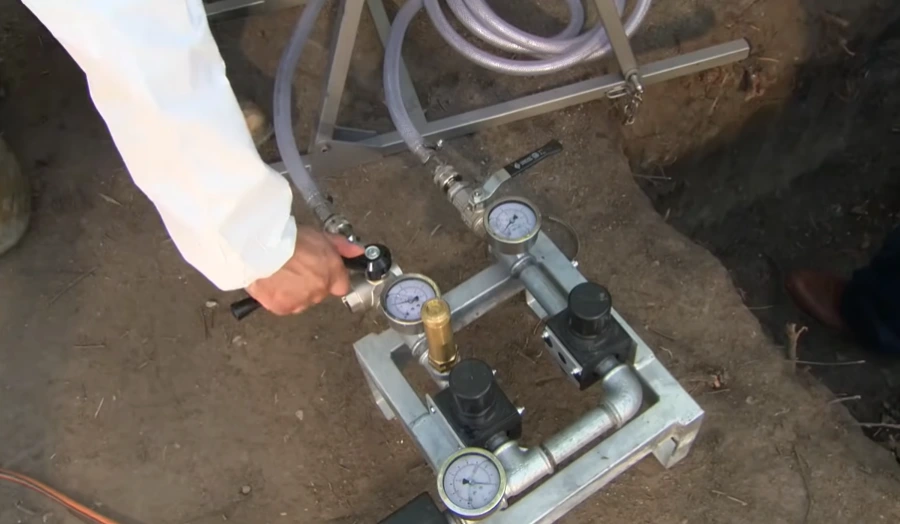
The failed section is replaced and the line is pressure tested to confirm it holds. If other runs are in poor shape, we explain what we found and what your options are.
- 4
Dry the area and photograph each stage
Standing water comes out first, then we measure moisture in the walls and flooring and dry the area, photographing the work so you have a clear record afterwards.
Renting? See who is responsible for what in our landlord and tenant guide to burst pipe repair.
Repair Cost in La Verne
Costs in La Verne track closely with the broader San Gabriel Valley, with galvanized pipe jobs typically running higher than copper repairs because more pipe needs replacing — not just the failed section. For the full breakdown, see our complete cost guide.
| Job Type | Typical Range | Notes for La Verne |
|---|---|---|
| Copper or PEX spot repair | $150 – $800 | More common in north La Verne foothills homes |
| Galvanized pipe section replacement | $500 – $1,800 | Standard in flatland La Verne pre-1970 homes |
| Slab leak detection and repair | $1,000 – $3,500 | Elevated in foothills area — soil movement |
| Water extraction and drying | $800 – $3,000 | Same across entire service area |
Burst Pipe Repair La Verne: Common Questions
Do you serve La Verne, CA for burst pipe emergencies?
Why are there more slab leaks in north La Verne than south?
My home was built in 1958. Do I probably still have galvanized pipes?
Does insurance cover galvanized pipe failures in La Verne?
Should I repipe my entire La Verne home or just repair the broken section?
What Happens During the Repair in a La Verne Home
For a galvanized pipe failure in flatland La Verne, the process is straightforward: locate the failure, assess the surrounding pipe, replace the failed section and any immediately adjacent pipe that shows corrosion, and close the wall once drying is confirmed complete. The pipe repair itself typically takes one to three hours. Drying takes two to five days with commercial equipment.
For foothills La Verne slab leaks, acoustic detection identifies the leak location before any concrete is removed. We explain the repair options — targeted spot repair versus rerouting above the slab — and give you a written price for each before any work begins. For more on how slab leak detection and repair works, see our full slab leak guide.
Burst pipe in La Verne? We are on our way.
Full service from the broken pipe to the dried walls. Real pricing before we start. 24/7 response.
Call (840) 226-2371 Now