
INSURANCE GUIDE
Burst Pipe Insurance Claims in California: What’s Actually Covered
One word decides your claim: “sudden.” Here is what California policies cover, what they exclude, and how to document your claim from the first hour.
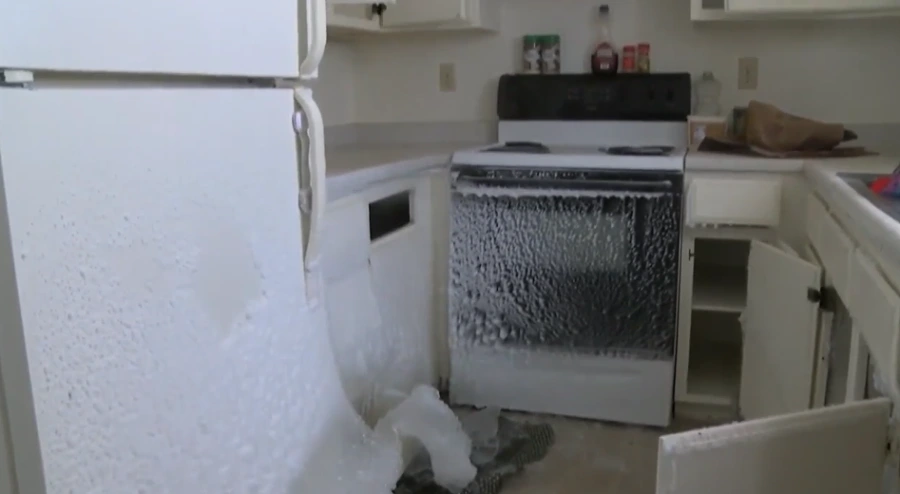
Burst pipe insurance claim tip: photograph everything before cleanup, keep receipts for emergency repairs and read your policy for the difference between sudden and gradual water damage. Starting a burst pipe insurance claim the same day, with dated photos and a written repair estimate, gives your adjuster what they need. The California Department of Insurance also publishes consumer guidance on claims.
Does Homeowners Insurance Cover a Burst Pipe in California?
In most cases, yes. Standard California homeowners policies cover water damage from a burst pipe under dwelling and personal property coverage — but only if the failure qualifies as sudden and accidental.
A pipe that bursts without warning after a pressure spike or corrosion failure is covered. A pipe that has been dripping slowly for months and was never repaired is typically classified as “gradual deterioration” — and excluded. The documentation you gather in the first hour is what proves which category yours falls into.
What’s Covered vs. What’s Not
| Situation | Typically Covered? | Why |
|---|---|---|
| Sudden pipe burst, no prior leaking | ✓ Usually yes | Qualifies as sudden and accidental |
| Water damage to walls and flooring | ✓ Usually yes | Consequential damage from a covered event |
| Temporary housing if uninhabitable | ✓ Often yes | Loss of use coverage in most policies |
| Mold remediation (from sudden burst) | ~ Sometimes | Depends on policy — check your declarations page |
| The plumbing repair itself | ✗ Usually not | Pipe repair is a maintenance item, not damage coverage |
| Slow leak that went unrepaired | ✗ Usually not | Classified as gradual deterioration |
| Damage from your own negligence | ✗ Excluded | Known issue not repaired — insurer may deny |
How to Protect Your Claim From the First Hour
The documentation you gather before any cleanup is the foundation of your claim.
Photograph everything before touching anything
Take photos and video of every room affected — walls, floors, ceilings, furniture, the pipe itself. The date stamp establishes the timeline and proves the damage existed before any cleanup.
Keep all damaged materials
Do not throw away wet carpet, drywall, or flooring until your adjuster has seen it or cleared you to remove it. Bag it and set it aside.
Report to your insurer promptly
Report the event early — most policies have reporting windows. You do not need insurer approval to stop the water or make emergency repairs to prevent further damage, but document what you did and why.
Get your own independent estimate
The adjuster works for the insurance company. Their estimate reflects their own pricing guidelines, which may not match what local contractors actually charge. Get an independent estimate to compare.
Keep a complete record of all contacts and costs
Every call, every contractor, every receipt. If your claim is disputed, this timeline is your evidence. Date and label everything.
How the Claims Process Works
Once you report, a predictable sequence follows. Knowing it helps you spot when something goes off track.
1. File the claim
Report by phone or online with your policy number, the date of the event, and a description. Do this even if you are not sure of the full scope yet.
2. Adjuster is assigned
The insurer sends an adjuster — in person or virtually — to assess damage and estimate costs using their own pricing guidelines.
3. Estimate comes back
Review it against quotes from local contractors. If it seems low, you can negotiate or bring in a public adjuster to represent your interests.
4. Settle or dispute
If the estimate is fair, accept and repairs begin. If not, push back with your own documentation. A public adjuster typically produces a settlement significantly larger than the initial offer.
💡 Public adjusters: For claims involving several thousand dollars or more in damage, a licensed public adjuster negotiates on your behalf. Their fee comes from the settlement — and the settlement is typically significantly larger than the initial offer. If your claim involves a genuinely large loss, a public adjuster’s fee typically comes out of a settlement that ends up larger than what you would have negotiated alone.
If Your Claim Gets Denied or Feels Too Low
An initial denial or a low estimate is not the end of the claim. You have options:
Request a written denial
If your claim is denied, request the reason in writing. Denials based on “gradual deterioration” can sometimes be challenged if you can document that the failure was sudden.
File a complaint with CDI
California’s Department of Insurance regulates insurer conduct. If you believe the denial or settlement is improper, a complaint to the CDI can prompt a review of how your claim was handled.
Hire a public adjuster
A licensed public adjuster works for you — not the insurer. For large claims, their negotiated settlement typically exceeds the initial offer by more than their fee.
Consult an insurance attorney
For bad-faith denials, a California insurance attorney can evaluate whether the insurer acted improperly and advise on your options, usually at no upfront cost.
Burst Pipe Insurance Claim: Common Questions
What to Tell Your Insurer When You Call
When you report the claim, have your policy number, the date and approximate time you discovered the leak, and a brief description ready. You do not need to know the cause yet — that is for the adjuster to assess. What matters in the first call is establishing the timeline and opening the claim promptly.
Ask the claims representative whether the policy includes loss of use coverage, whether there is a reporting deadline, and whether you are permitted to begin emergency mitigation to prevent further damage. Most policies allow this — but document what you do and why.
Need documentation for your insurance claim?
We provide a complete damage and repair package — photos, moisture readings, written scope — that your adjuster needs to process the claim.
Call (840) 226-2371 — 24/7