
CLEANUP GUIDE
Water Damage Cleanup & Drying After a Burst Pipe in Pomona
Cleanup after a burst pipe is not just wiping up water. The real work is finding hidden moisture, drying the structure from the inside, and making sure mold cannot start before the walls close.
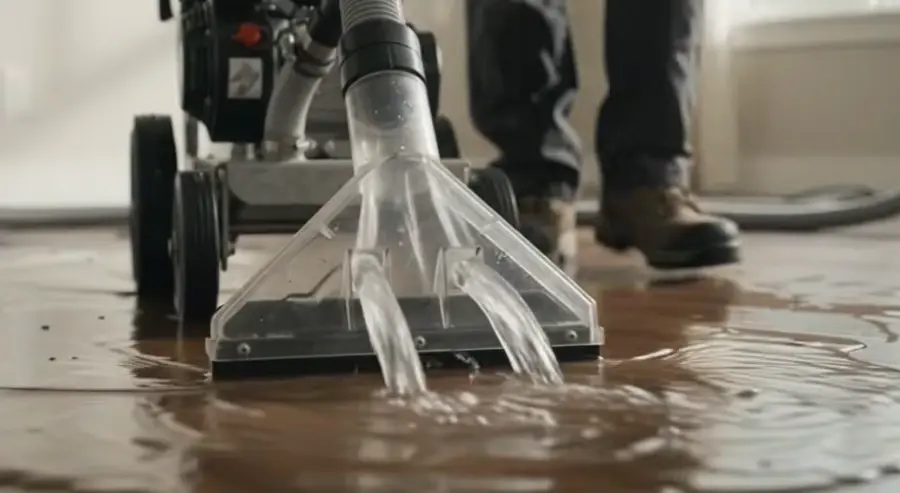
Water damage cleanup after a burst pipe is more than mopping up. The goal is to remove standing water, find moisture hidden in walls and subfloors, and dry everything to normal readings before rebuilding. Ask any company how it will check moisture and how often. Good water damage cleanup ends with readings, not just a dry-looking floor. The EPA mold cleanup guide explains what happens when moisture is left behind.
Most homeowners think the hard part of a burst pipe is the plumbing repair. The cleanup is actually where the longer-term damage happens — and where a job that looks done on day two turns into a mold remediation problem on day fourteen.
This page explains what proper structural drying involves, why consumer-grade equipment is not adequate for most burst pipe situations, and what the complete cleanup process looks like from the first hour to final sign-off.
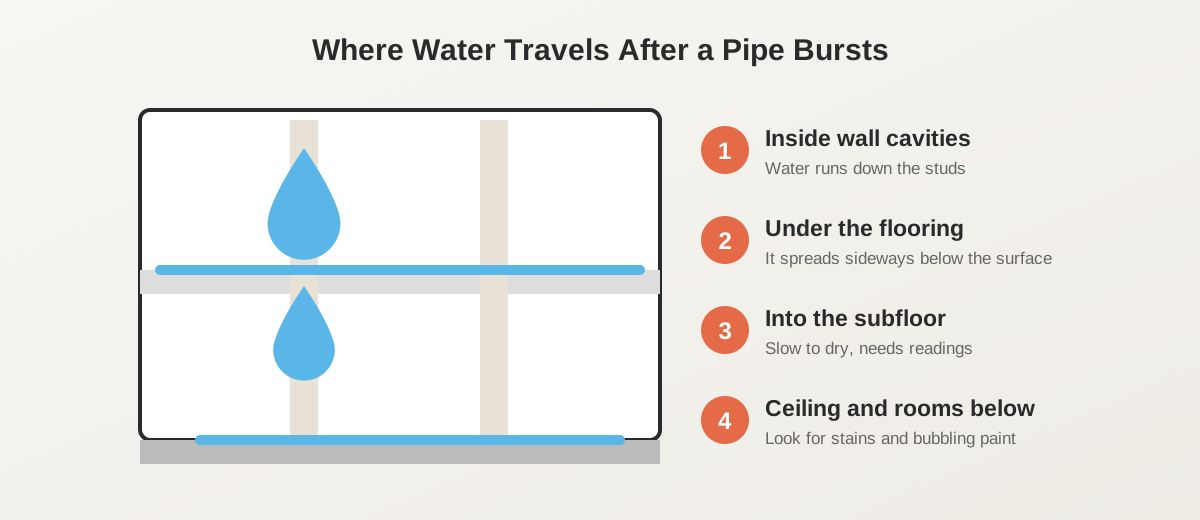
Where Water Actually Goes After a Pipe Bursts
Inside wall cavities
Water flows down inside stud bays the moment it contacts drywall. It is invisible from the surface but saturates insulation and framing within minutes.
Under subfloor sheathing
Water penetrates seams in flooring and pools under subfloor panels. The surface looks dry or slightly damp while the structure below is saturated.
Inside cabinet boxes
Cabinet bases absorb water rapidly. The base, side panels, and toekick are all made of particleboard that swells and holds moisture long after the surface appears dry.
Along floor joists
In homes with a crawl space or basement, water traveling along floor joists can affect structural lumber well beyond the visible wet area on the floor above.
What Proper Structural Drying Involves
There is a significant difference between surface drying and structural drying. Here is what commercial restoration actually does.
Moisture mapping before touching anything
We use a moisture meter and thermal imaging camera to map exactly where water traveled — including inside walls and under floors that look dry on the surface. This establishes what needs drying and gives us a baseline to measure progress against.
Water extraction
Commercial truck-mounted or portable extractors remove standing water from hard floors and saturated carpeting far more effectively than a wet/dry shop vac. This is the foundation of fast drying.
Strategic equipment placement
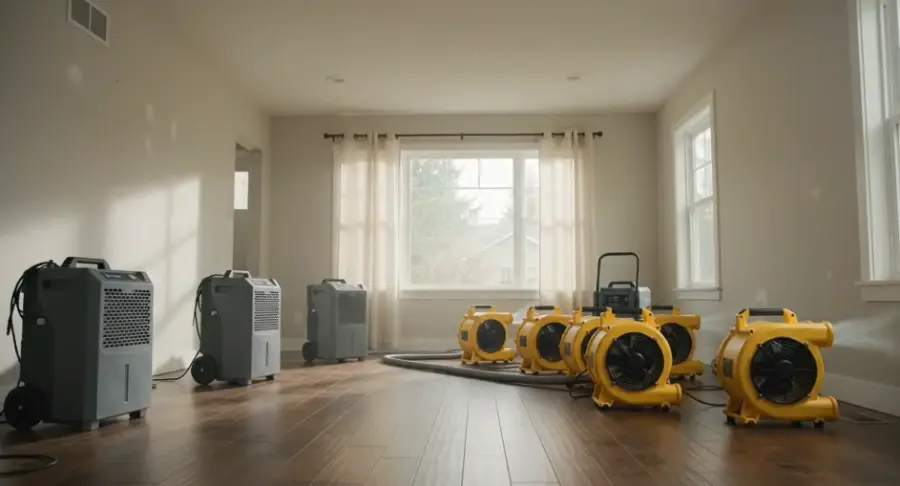
Industrial air movers are positioned to create high-velocity airflow across wet surfaces and into wall cavities where needed. Dehumidifiers run continuously to pull the evaporated moisture out of the air before it can settle elsewhere.
Daily moisture readings
We return each day to measure moisture levels in the affected materials against the baseline. Drying is not complete when the surface feels dry — it is complete when moisture readings reach the target range for that material type.
Documentation throughout
Every day’s readings are recorded. This documentation proves to your insurer that professional drying was performed, for how long, and that the structure was returned to acceptable moisture levels before any repair work began.
Documenting for Insurance
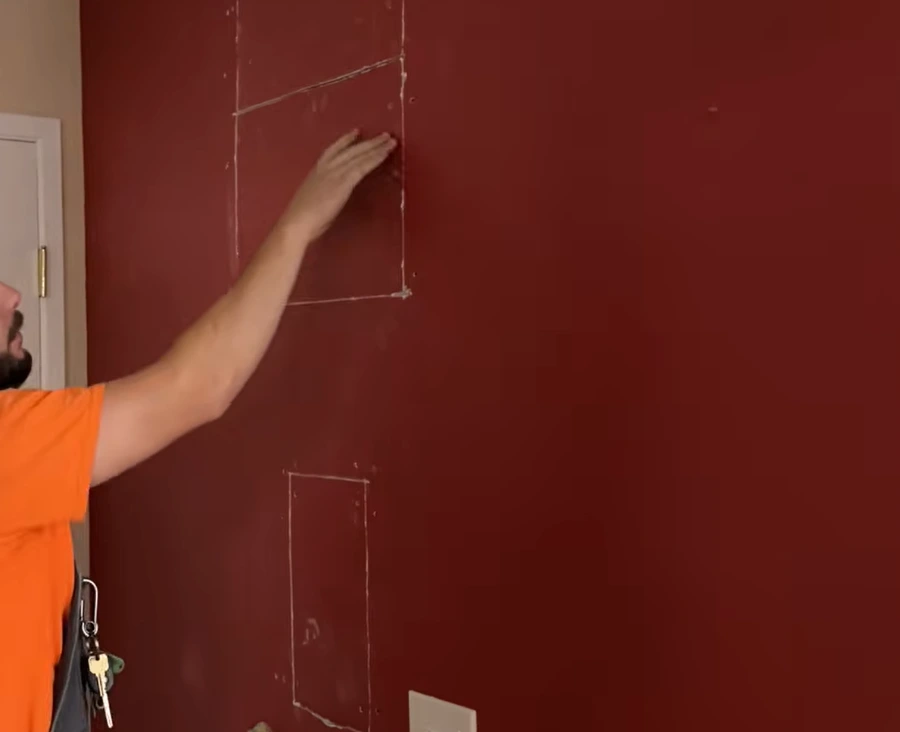
Take photos and video of everything before cleanup starts — not after. Your insurance adjuster builds your claim from that documentation, and once materials are removed or dried out, that visual proof is gone. Keep the damaged materials until your adjuster or contractor has had a chance to see them. For the exact steps to take in the first few minutes before cleanup starts, see our full emergency checklist, and for what your policy actually covers, see our insurance claims guide. If your claim involves a large loss, a public adjuster’s fee typically comes out of a settlement that ends up larger than you would have negotiated alone.
Water Damage Cleanup: Common Questions
Can I Do Cleanup Myself?
For a very small, shallow spill on a hard surface with no wall or subfloor contact, a wet/dry vacuum and household fans may be adequate. For anything that touched drywall, subfloor, insulation, or cabinets, consumer-grade equipment cannot dry the structure to the standard needed to prevent mold. It can dry the surface — which is not the same thing.
Choosing to handle cleanup yourself when water reached structural cavities also creates risk if you later file an insurance claim — you will not have professional moisture documentation proving that drying was completed properly, which can become a dispute point if mold appears later.
Proper drying — not just surface cleanup.
Commercial equipment, daily moisture monitoring, and full insurance documentation. One crew handles the pipe repair and the cleanup.
Call (840) 226-2371 — 24/7Need the jargon translated? See water damage terms explained.
What to Expect When You Call
A real person answers
Call (840) 226-2371 any time. We ask where the water is coming from, whether you can reach the main shutoff and what has been affected.
Plain steps first
Before anything else, we tell you what to do right away to limit the damage, such as shutting off the water and moving belongings.
A clear plan and price talk
We explain your options and what drives the cost before work starts, so there are no surprises later.