
SLAB LEAK GUIDE
Slab Leak Detection & Repair in Pomona, CA
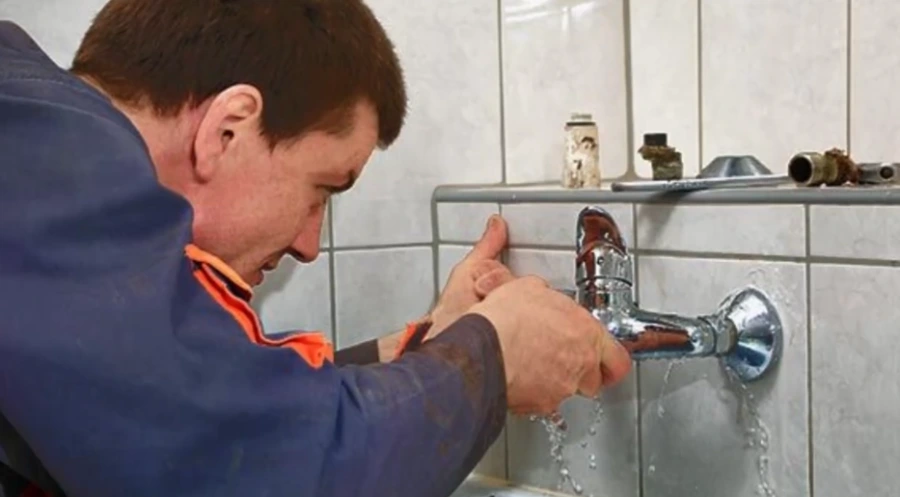
A slab leak is a water pipe failure under your concrete foundation. It cannot be seen — but the signs are clear if you know what to look for. Here is how detection and repair actually works.
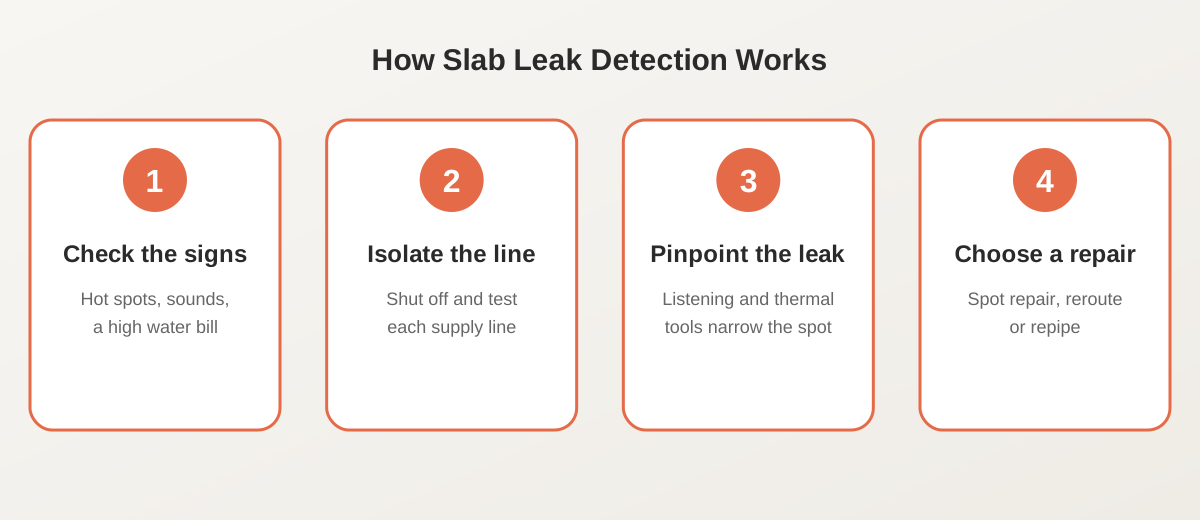
Slab leak repair starts with finding the leak exactly, not with digging. Ask whether the plumber will confirm the location with listening or thermal tools, and whether the estimate covers the repair option, floor restoration and drying. A clear slab leak repair plan names the leaking pipe, how much concrete must be opened and what happens to your flooring afterward. The EPA leak guidance is a useful reference on why hidden leaks matter.
Slab leaks are one of the more serious plumbing failures a Pomona homeowner can face — partly because of their location under your foundation, and partly because they can run for weeks or months before any surface sign appears. By the time you notice a wet spot on the floor or a water bill that doubled, the leak may have been running long enough to saturate the soil under your slab and begin affecting the foundation itself.
This guide covers the warning signs, how proper detection works, what the repair options are, and how to make the decision between a targeted repair and a full pipe reroute.
Warning Signs You Have a Slab Leak
Water bill spike
A bill that jumps by $50–$200 with no change in usage is often the first sign. The water is going somewhere — and if it is not visible, it may be going under your slab.
Warm or damp floor
A hot water line leak heats the slab above it. A cold water leak may show as a damp or discolored patch. Both are worth investigating immediately.
Running water sound
If you can hear water running when every tap in the house is off, that is an active leak. Turn off the main valve and call us — do not wait.
Foundation cracks
New cracks in flooring, baseboards, or walls — especially near the bottom of exterior walls — can indicate soil saturation from a slab leak weakening the foundation.
Mold without visible water
Mold appearing on baseboards or lower walls without any visible water source above it often means moisture is wicking up from below — a slab leak until proven otherwise.
Low water pressure
Pressure that has dropped noticeably across all fixtures can indicate a significant loss underground. Combine this with any other sign on this list and call for detection immediately.
How Slab Leak Detection Actually Works
Proper detection is what separates a targeted repair from tearing up your entire floor to find the problem. Here is what professional detection involves.
Pressure testing to confirm a leak exists
Before any detection equipment is used, we isolate sections of your plumbing and test pressure. A pressure drop confirms an active leak in that section and narrows the search area significantly.
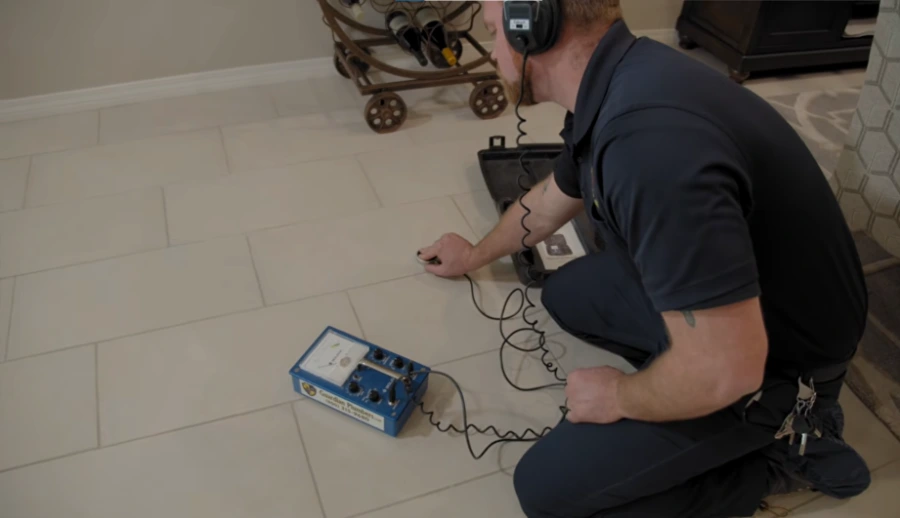
Acoustic detection — listening for the leak
Specialized acoustic sensors are placed on the floor and pipe access points to listen for the frequency signature of water escaping under pressure. This is the most precise non-invasive detection method available and can locate a leak to within six inches through six inches of concrete.
Thermal imaging where needed
For hot water line leaks, a thermal camera can show the heat signature of escaping water through the slab surface. This supplements acoustic detection on difficult cases.
Targeted concrete removal
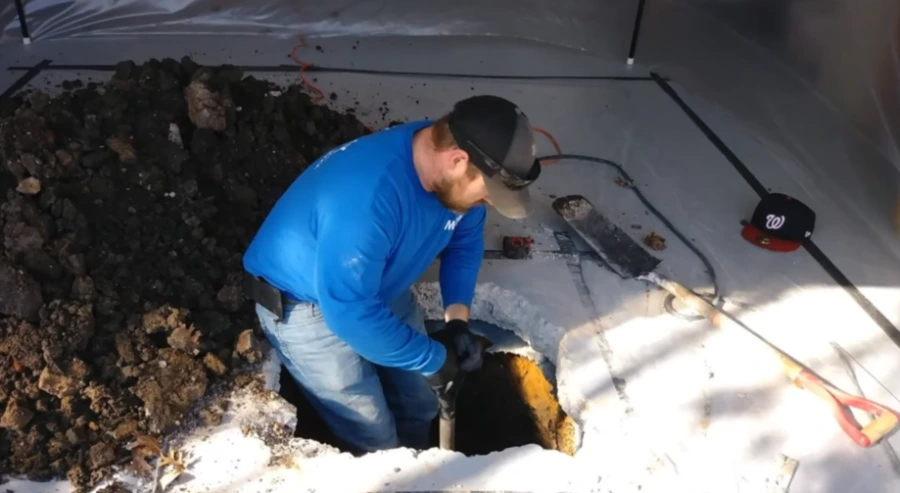
Once the leak is located precisely, concrete is removed only at that specific point. Good detection means a six-inch opening rather than cutting a trench across your floor.
Repair Options: Which One Fits Your Situation?
| Repair Method | Best For | Typical Cost |
|---|---|---|
| Targeted spot repair (concrete removal) | Single failure in a sound pipe system | $1,000 – $2,500 |
| Pipe reroute above the slab | Galvanized system, multiple weak points | $1,500 – $4,000 |
| Pipe relining (epoxy lining) | Accessible straight pipe runs | $2,000 – $4,000 |
| Full repipe (replacement) | End-of-life galvanized or polybutylene system | $4,000 – $15,000 |
💡 Pomona homes built before 1975 are most likely to have galvanized steel under the slab. When galvanized fails it rarely fails in isolation — a reroute or full repipe is often more economical than repeated slab repairs every two years.
What a Fair Slab Leak Estimate Should Include
Slab leak repairs vary significantly in scope. A written estimate should break down detection cost, concrete removal and restoration, the actual pipe repair, and whether water damage cleanup is included or billed separately.
The most important question to ask before agreeing to any work: “What happens if you open the concrete and find the problem is more extensive than the detection indicated?” A trustworthy contractor will explain their change-order process clearly. One that cannot answer this question directly is worth walking away from before any concrete is touched.
A free inspection with acoustic detection is the only way to get a real number for your specific home. For a broader breakdown of burst pipe repair pricing, see our full cost guide. If your insurer is involved, see our California insurance claims guide for what slab leak damage typically covers.
Slab Leak Repair: Common Questions
Suspect a slab leak? Call us — we locate it before we dig.
Acoustic detection to within six inches. Real pricing before any concrete is touched. 24/7 response across Pomona and the San Gabriel Valley.
Call (840) 226-2371 — 24/7After the repair: what a slab leak does to floors and walls, and how drying works.
What Pomona Homeowners Say
Real feedback about slab leak questions and inspections.
Our water bill had gone up, and we noticed a warm spot on the floor near our hallway. We suspected a slab leak but couldn’t figure out where the water was coming from. Pomona Water Damage Pro explained what could cause these signs and how the issue could be investigated. I’d recommend getting a possible slab leak checked before it causes more damage.
We noticed a damp patch near our living room floor and couldn’t work out where the water was coming from. There wasn’t an obvious leak, which made the situation frustrating. The team explained the possible causes and what an inspection could help determine. It was helpful to understand the next steps instead of guessing at the problem.
Our water usage seemed unusually high, even though our household routine hadn’t changed. We wondered whether there might be a hidden leak under the concrete. The team explained how slab leaks are investigated and what the repair process could involve. I’d recommend looking into unusual water usage rather than ignoring the warning signs.
What to Expect When You Call
A real person answers
Call (840) 226-2371 any time. We ask where the water is coming from, whether you can reach the main shutoff and what has been affected.
Plain steps first
Before anything else, we tell you what to do right away to limit the damage, such as shutting off the water and moving belongings.
A clear plan and price talk
We explain your options and what drives the cost before work starts, so there are no surprises later.