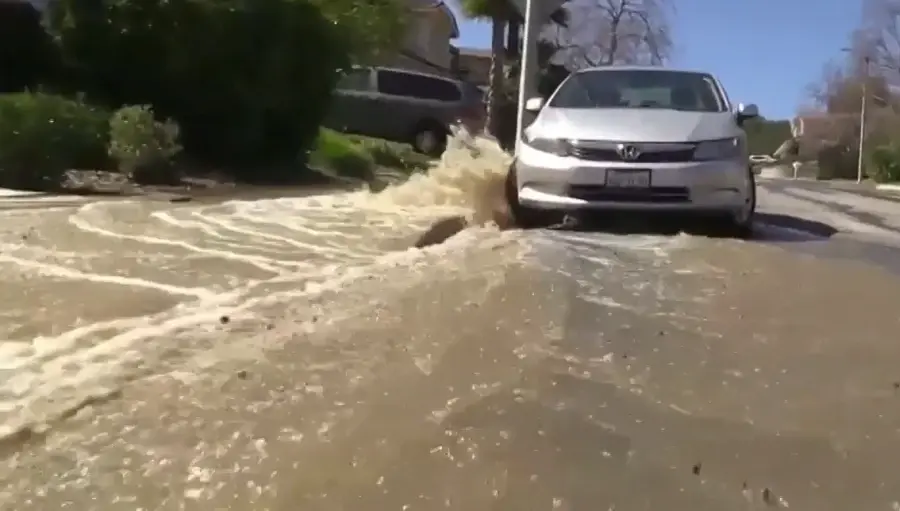
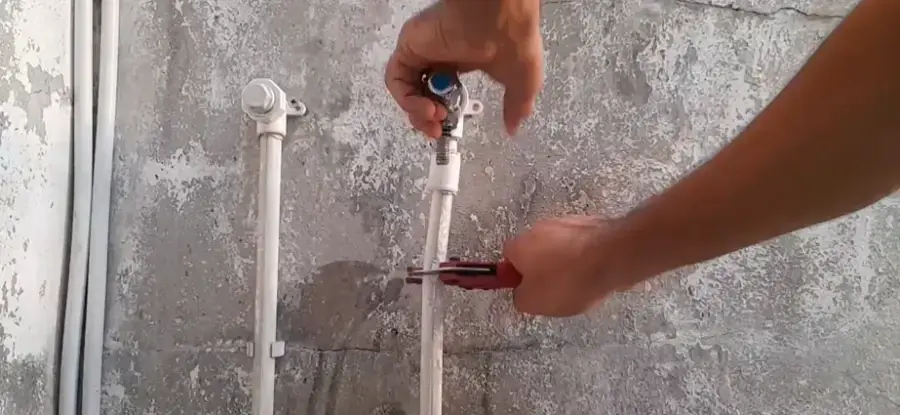
EMERGENCY GUIDE
What to Do When a Pipe Bursts: First 10 Minutes
The decisions you make in the first 10 minutes after a pipe bursts determine how bad the damage gets. Here is exactly what to do, in the right order.
A burst pipe is one of the most stressful things that can happen in a home. Most of the serious damage is not caused by the break itself — it is caused by the time it takes to stop the water. This guide covers exactly what to do, in order, to protect your home and your insurance claim.
When a pipe bursts, speed matters more than perfection. Shut off the main water valve, open the lowest faucet to drain the lines and switch off power to wet areas only if you can do it safely. Once the pipe bursts under control, take photos before you wipe anything up. The EPA page on household leaks shows how quickly even small water losses add up.
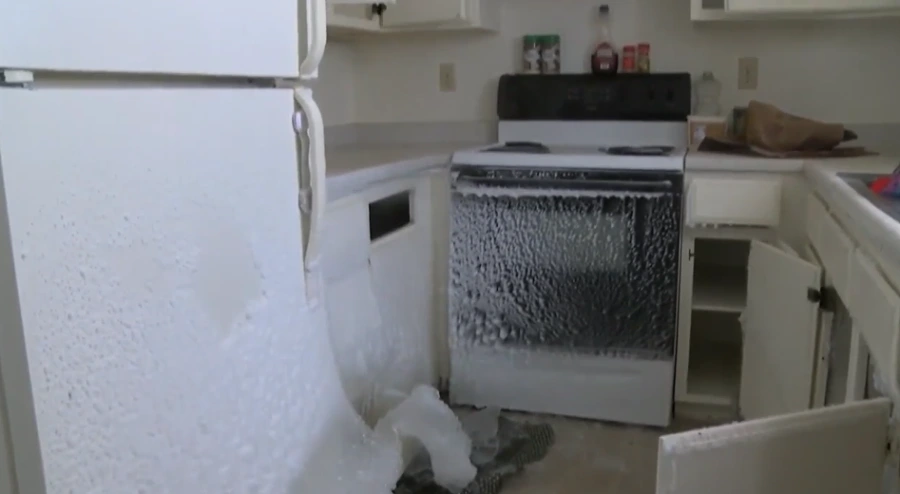
The 7-Step Response — In This Order
Skip a step or do them out of order and you risk making the damage significantly worse.
Shut your main water valve
Turn it clockwise until it stops. It is usually near your water meter at the street, or where the main line enters your home — often in a garage, utility closet, or near the front exterior wall. This is the single most important step. Do not skip ahead.
Open a cold tap on the lowest floor
This releases pressure still in the pipes and drains water that has not come out yet. It reduces the flow from the burst even after the main valve is closed.
Check for electrical hazards
If water is anywhere near an outlet, appliance, or your breaker panel — turn off power to that area at the breaker first. Do not touch anything electrical in a wet area. If water is near your main panel itself, leave and call the fire department.
Photograph everything before you clean up
Your insurance adjuster builds your claim from documentation. Take photos and video of every room affected, every wall, floor, and ceiling with water damage. Once you clean up, that evidence is gone.
Keep the broken pipe section
Do not throw it away. The failed pipe section can help determine cause — which matters for your insurance claim. Bag it and set it aside.
Contain the water with towels and buckets
Focus on stopping water from spreading to new rooms. Prioritize keeping it away from electrical fixtures and hardwood floors. A wet/dry shop vac is fine to use — a regular household vacuum is not.
Call a licensed plumber — 24/7
A fan on the surface does not dry water hiding inside your walls. Mold can start growing in as little as 48 hours. Call (840) 226-2371 — we respond any time, day or night, and handle the pipe repair and drying in one job.
Mistakes That Make It Worse
Most of the serious damage from a burst pipe happens in the first hour — and most of it comes from these common, understandable mistakes.
❌ Waiting to see if it stops
A slow drip can look like it is tapering off when it has actually found a new path — often behind a wall where you cannot see it. If water is coming from a pipe, shut the main valve and do not wait.
❌ Using a regular vacuum on standing water
A standard household vacuum is not built for water and can short out or create a shock hazard. A wet/dry shop vac is safe. A regular vacuum is not.
❌ Running appliances near the wet area
Any electrical appliance — including extension cords — near standing water is a serious hazard. Turn off the breaker for that area before going near them.
❌ Throwing away wet materials immediately
If you plan to file an insurance claim, the adjuster may need to see the damaged materials. Bag and set aside wet carpet, drywall, and flooring rather than putting it in the trash.
❌ Applying tape or clamps and leaving water on
These will not hold under full water pressure. They create a false sense of security and often lead to a second failure — sometimes at night when no one is watching.
❌ Starting cleanup before photos
This is the single most common insurance claim mistake. Take photos and video of everything before you move or remove anything. Once materials are gone, that evidence is gone too.
Why Do Pipes Burst in Pomona Homes?
Understanding what caused the burst helps you decide whether a single repair is enough or whether the pipe system needs broader attention.
| Cause | Common In | What to Tell Your Plumber |
|---|---|---|
| Corroded galvanized pipe | Homes built before 1975 | Age of plumbing and whether rust appears in the water |
| Hard water mineral scale | Throughout San Gabriel Valley | Any prior drops in water pressure |
| Soil movement / slab shift | Foothills neighborhoods, older slabs | Location of the burst (under floor vs. in wall) |
| Water pressure spike | Any home with aging joints | Whether you heard a bang or pop before the leak |
| Physical damage | Any home during renovation | Any recent work done near that area |
Is It Safe to Stay in the House?
For a typical residential burst pipe, yes — in most cases you can stay. The exceptions are clear:
Water Near Electrical Panel
Leave immediately. Do not touch the panel. Call the fire department before going back in.
Sagging Ceiling
A ceiling bulging or sagging from water weight above it is a structural hazard. Clear the room and keep others out.
Sewage Backup
If the water source is a sewage or drainage line rather than a clean supply line, the area is contaminated. Do not touch the water.
🏠 In all other cases — water is off, no electrical hazard, no structural damage — staying in the home while waiting for a plumber is perfectly fine. Just keep the water off until the repair is complete.
When a Pipe Bursts: Common Questions
Answered directly, without fluff.
Pipe burst in Pomona? We respond 24/7.
One crew handles the pipe repair, water removal, and structural drying — with real pricing before we start.
Call (840) 226-2371 Now